Responsible
buildings.
Carefully designing building envelopes with high-performance insulation materials, and minimizing CO₂ emissions and system inefficiencies: this is the essence of our energy design, aimed at maximizing comfort and sustainability.
Our work is strongly focused on integrated and sustainable energy design for buildings. Within this vision the various disciplines—architecture, systems, and structural engineering—converge to create a truly 'responsible building'. By applying Minimum Environmental Criteria (CAM) we are able to reduce the environmental impact of our interventions, from a life cycle perspective and guarantee a final outcome that not only complies with, but innovates beyond, regulatory standards.
Reduction of
embodied
carbon
In all our projects, we pursue a significant reduction in embodied carbon, referring to the CO₂ emissions embedded in the building’s materials and those generated by the production, operation, and maintenance of mechanical equipment.
Our energy design process focuses on defining the most appropriate building services engineering solutions, fully integrated with the intended structural and architectural design, with the goal of achieving the highest performance standards, maximum thermal comfort, and the greatest possible energy sustainability.
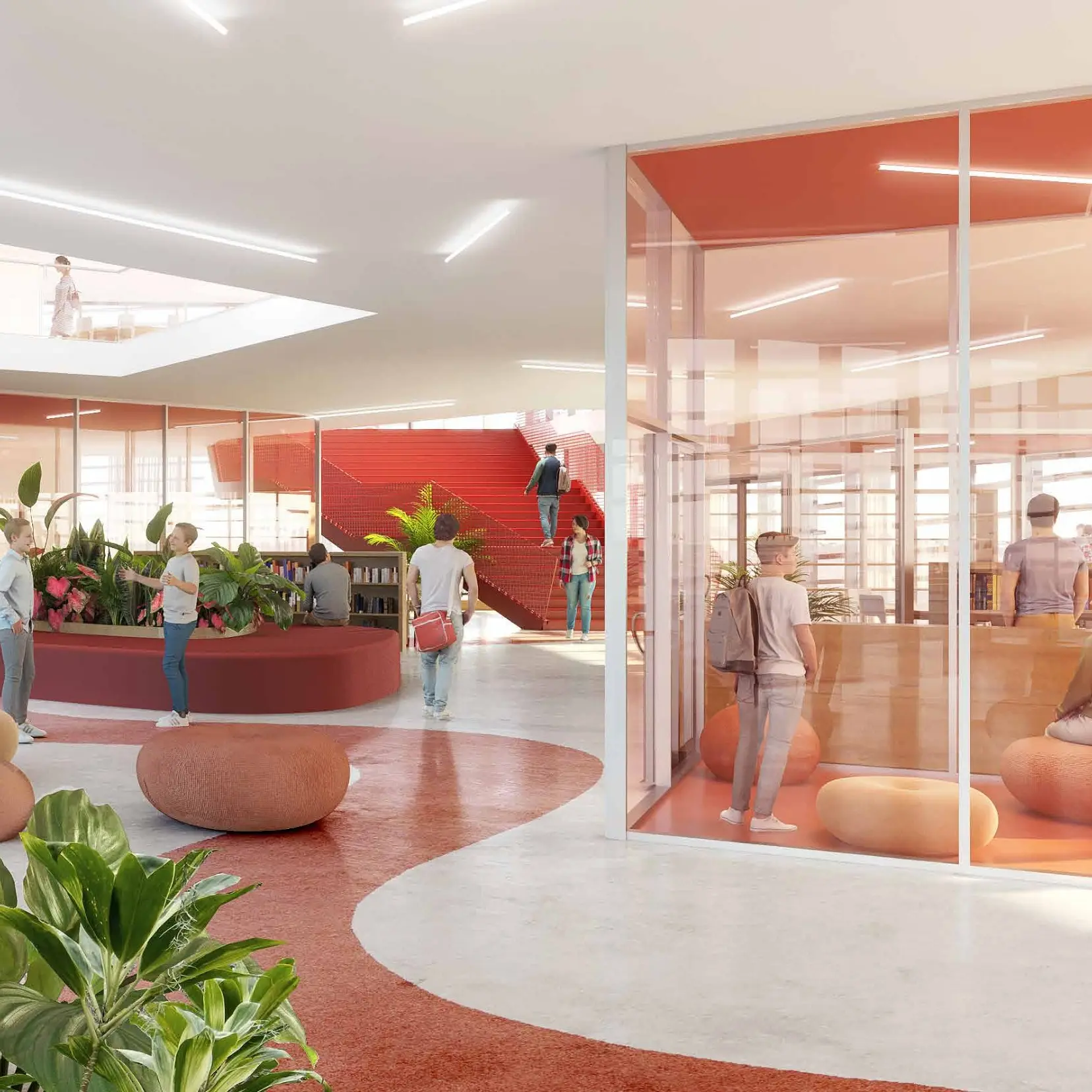
Environmental impact assessment and sustainability certification are key elements of this new approach to integrated design. The application of certification systems to assess the level of sustainability of the built environment, such as LEED® and ITACA, is a shared strategy and an effective way to ensure high standards of environmental performance. Guided by this vision, our commitment to eco-sustainable design resulted in the creation of the first LEED-certified school in Southern Italy.
Near Zero & Plus Energy Building.
01
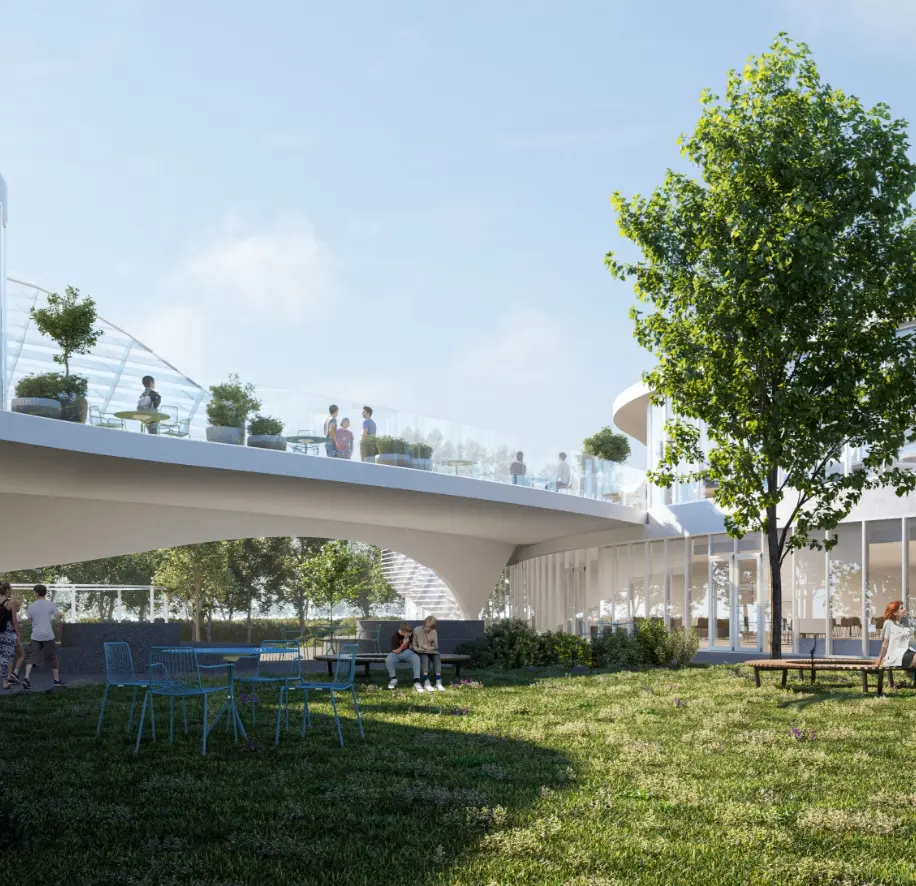
What if buildings could not only meet their own energy needs, but also give energy back? This is the idea behind our approach to Plus Energy Buildings—structures designed to exceed the Near Zero Energy standard and actively contribute to the energy grid. Aiming for such goals means that our design is based on high standards, is very accurate, and is integrated with multiple areas of expertise.
We design buildings of these types that are already integrated with photovoltaic systems, equipped with panels for electricity production and energy storage elements.
CAM and Sustainability.
02
Derived from the logic of the PNRR and the DSNH (i.e., the principle of “do no significant harm” to the environment), the Minimum Environmental Criteria (CAM) serve to identify solutions on the market that offer a better life cycle and performance from an environmental point of view. In terms of building design, following these guidelines means thinking about a building that has minimum requirements to reduce environmental impact, promote sustainability, and energy efficiency, for example in the choice of building materials and waste management.
In our design, we comply with CAM (2022) standards, aiming for solutions that leave the smallest possible environmental footprint. In particular, we design with a focus on water management and concepts such as the Sponge Building.

LEED certification.
03
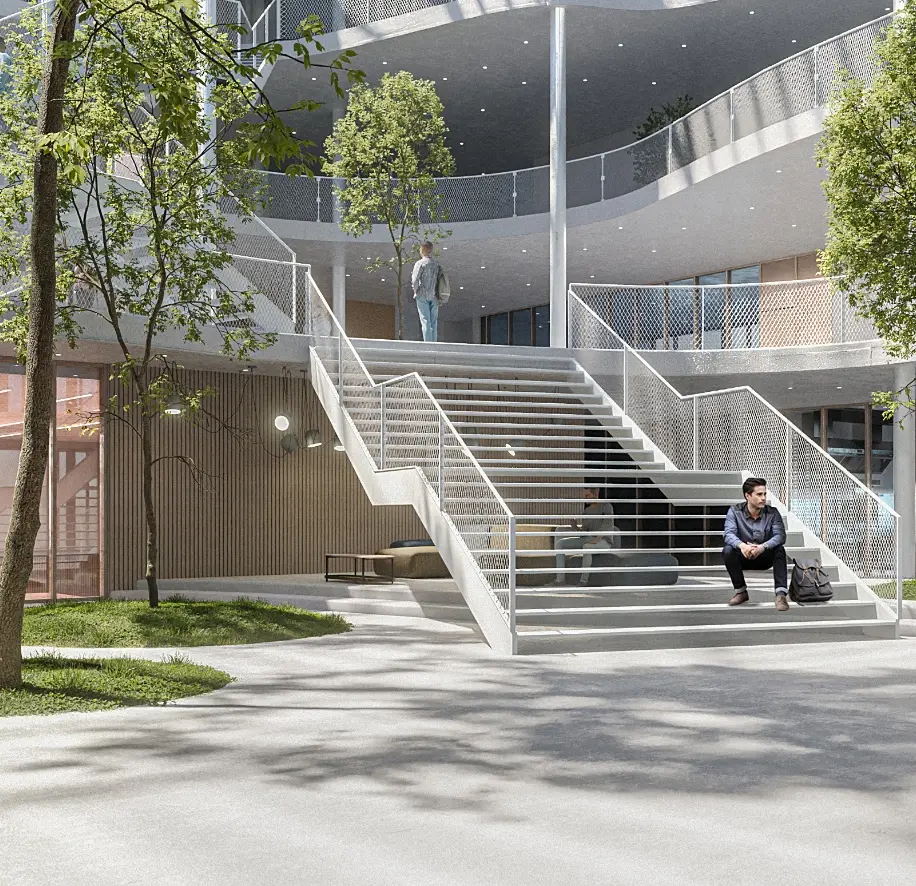
LEED® (Leadership in Energy and Environmental Design) certification is a standard promoted by the U.S. Green Building Council that certifies the sustainability level of a building. This certification analyzes the performance of buildings in various areas (energy and water savings, CO2 emissions reduction, improvement of indoor environmental quality, materials and resources used, design and site selection) and assigns credits for each of them, the sum of which constitutes the four certification levels.
LCC and LCA analysis.
04
An LCC (Life Cycle Costing) analysis calculates the expected costs throughout the entire life cycle of a product or service, from the pre-production stages to final disposal, in order to achieve better economic sustainability. In our business, an LCC analysis is a tool that supports design choices, from the choice of a building's systems to the entire project, or the renovation of an existing property.
At the same time, we also carry out LCA (Life Cycle Assessment) analyses to quantify the potential environmental and health impacts associated with a product or service, assessing energy consumption, materials used, and emissions. By using these two methods together, we are able to gain a comprehensive view of the project.
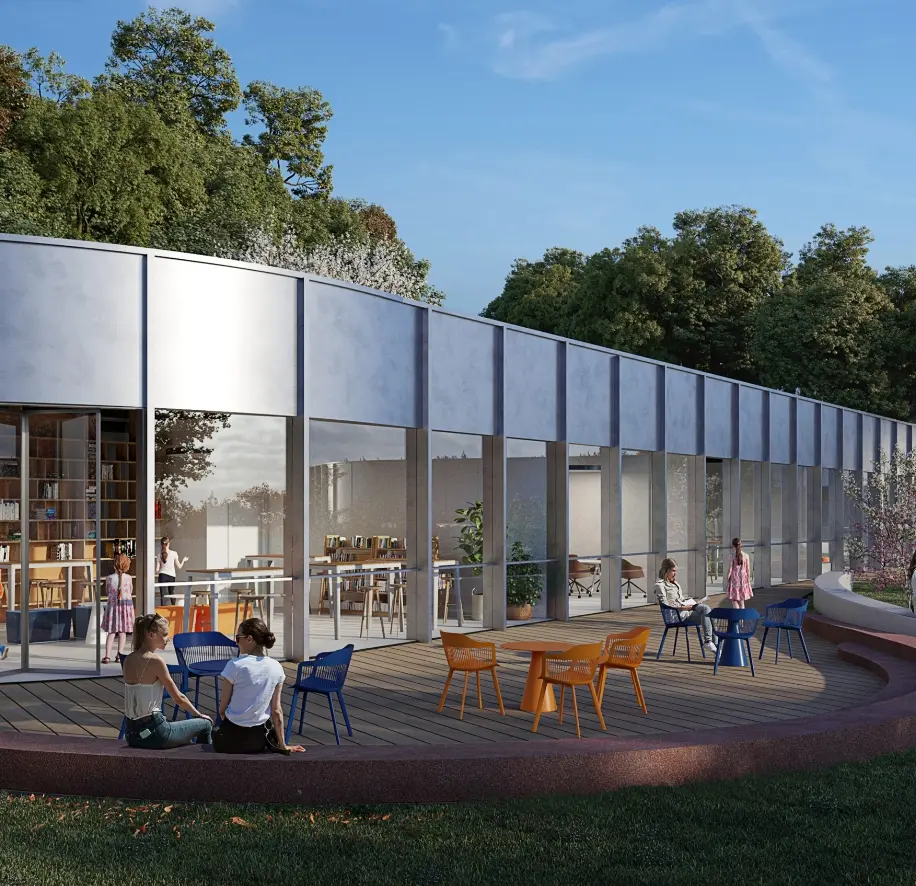
Regulatory energy-saving requirements drive the pursuit of efficiency through consumption rationalization, the adoption of high-performance technologies, and the integration of renewable energy sources. To perform energy audits on existing buildings, we use 3D models to analyze systems, building envelopes, and internal processes, enabling us to plan targeted interventions for civil, industrial, and public-sector clients. Thanks to our experience, we offer innovative energy-saving solutions for energy and heat supply, plant and building envelope upgrades (windows, thermal insulation, thermoregulation and remote management).
Projects.
 Our latest
work
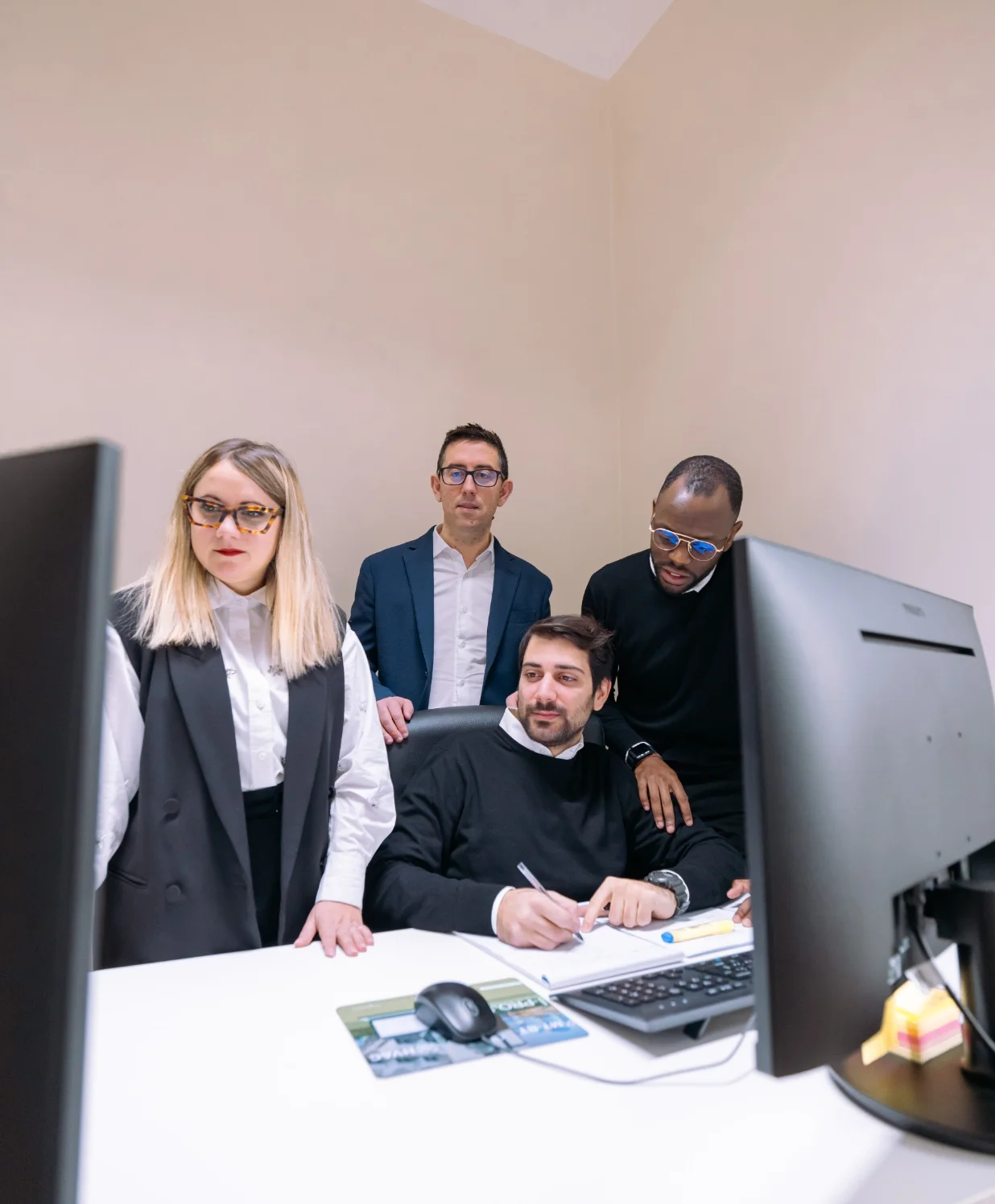
Every project we develop is the synthesis of the design vision of our specialists. Thanks to our experience, we choose the best solutions available on the market, focusing on living comfort and eco-sustainability.
Discover our projects
Collaborations.
 Tell us about
your project
We make your visions a reality. Contact us using the following request form and tell us about your project. Thanks to our experience and expertise, we are committed to ensuring the success of your project.
Contact us